
Explore Palm Beach
Bradley Park
Built
Landmarked
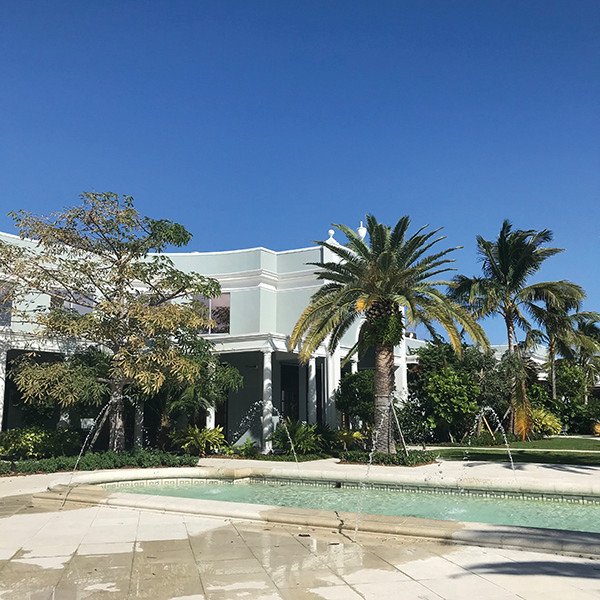
Completed in December of 2017 with the support of the Garden Club of Palm Beach and Town of Palm Beach, the Preservation Foundation spearheaded a $2.7 million campaign. The project transformed an underutilized, 4.4-acre public park located on the town’s historic main street. Previously lacking a comprehensive landscape design, the refreshed park is now a gathering place and a source of pride for the community that marks the northernmost entrance to the town.
Earl E.T. Smith Park
Built
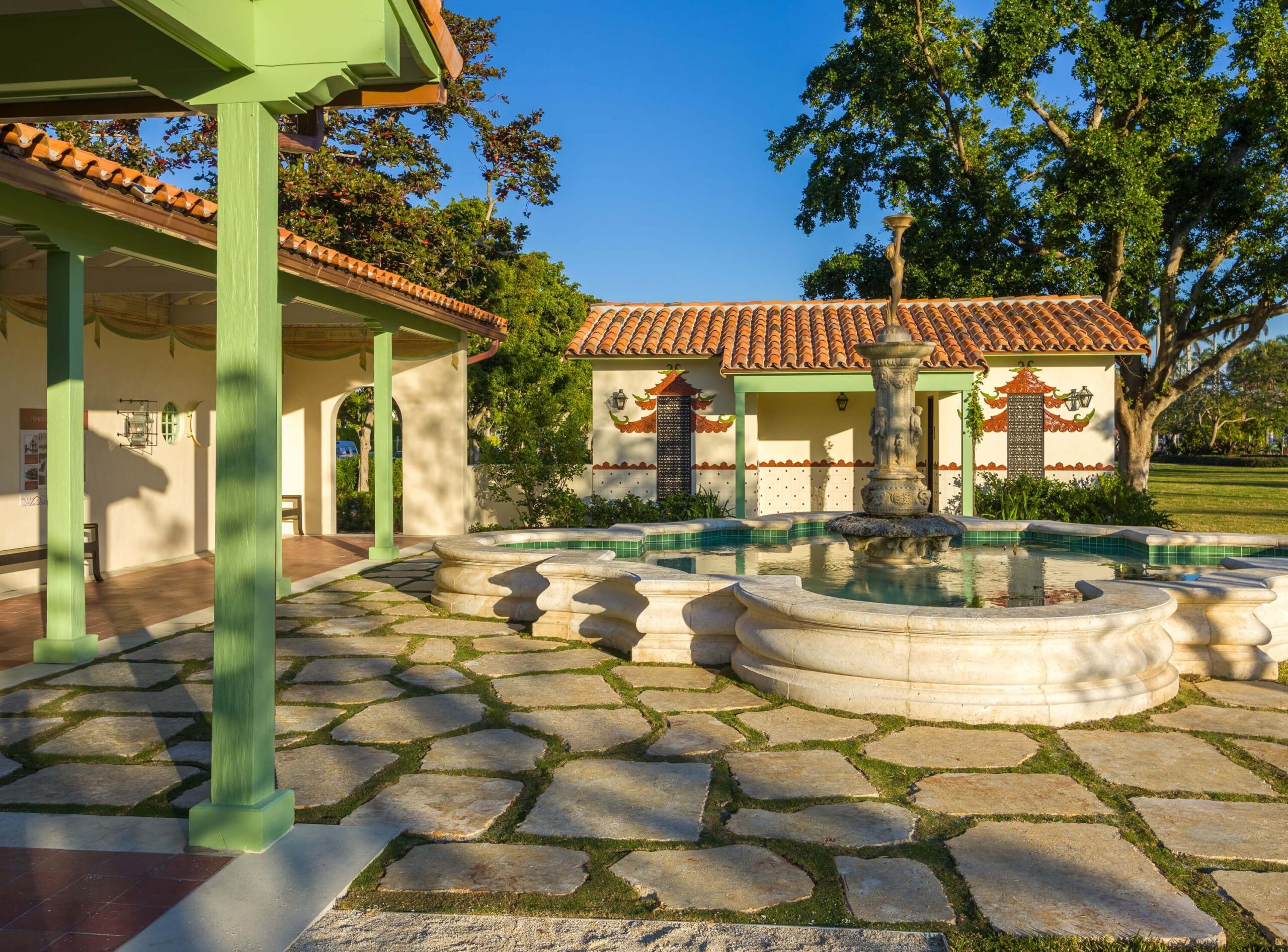
Since its dedication in 1989, Earl E.T. Smith Preservation Park has been a noteworthy illustration of the Preservation Foundation’s community-oriented goals. Owned and maintained by the Foundation, this public space is located directly west of Town Hall in the Town Hall Historic District. Formerly the site of a gas station, the park is an integral part of the area’s historic charm and was recently restored for the organization’s 40th anniversary.
Episcopal Church of Bethesda-by-the-Sea
Built
Landmarked
Architect
Architectural Style
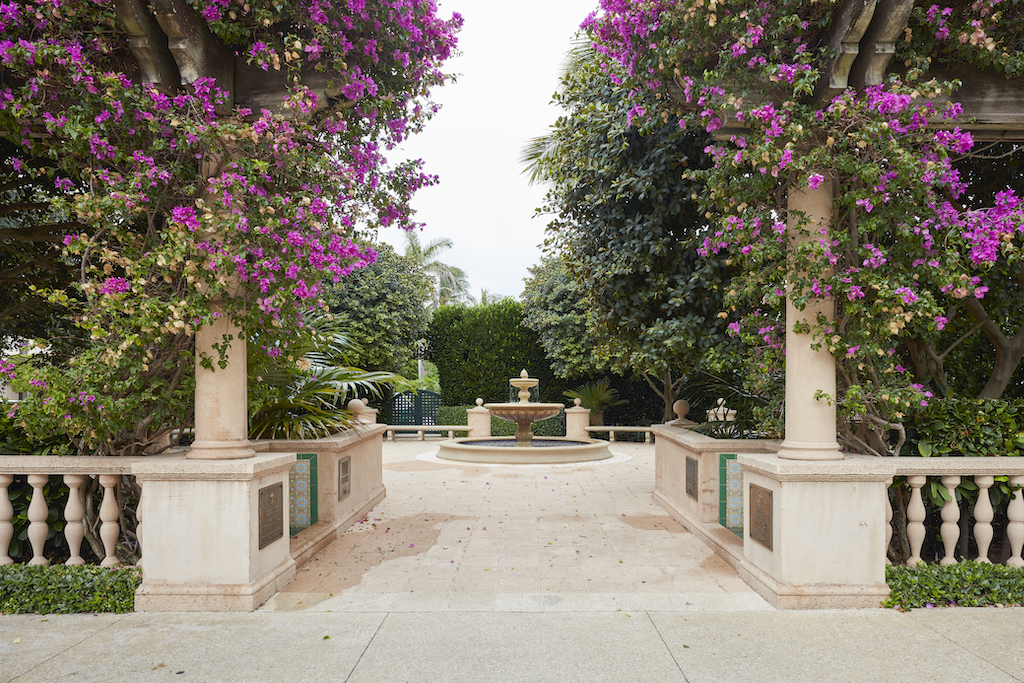
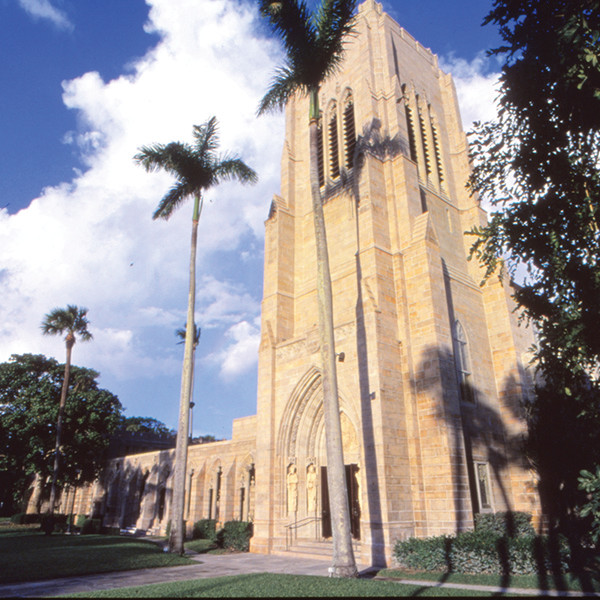
The cast-stone church is the third reincarnation of Bethesda-by-the-Sea in Palm Beach. In 1922, James Townsend Russell envisioned a Gothic church surrounded by palm trees and flowers inspired by the León Cathedral in Spain. Cluett Memorial Garden, located behind the church, was designed by Walter Thomas and reflects an Italian influence.
Everglades Club
Built
Landmarked
Architect
Architectural Style
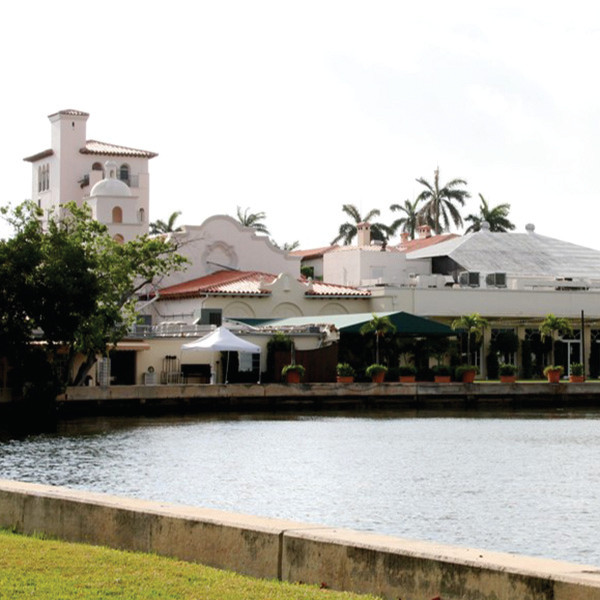
As Mizner’s first building in Palm Beach, the Everglades Club established the Mediterranean Revival style as the standard for the finest homes and clubs of Palm Beach. The building was conceived as a convalescent home for officers during World War I but ultimately became a private club. The Everglades Club features Venetian Gothic windows, Moorish latticed wooden balconies, and a cupola derived from the Spanish missions of the American Southwest.
Little Red Schoolhouse
Built
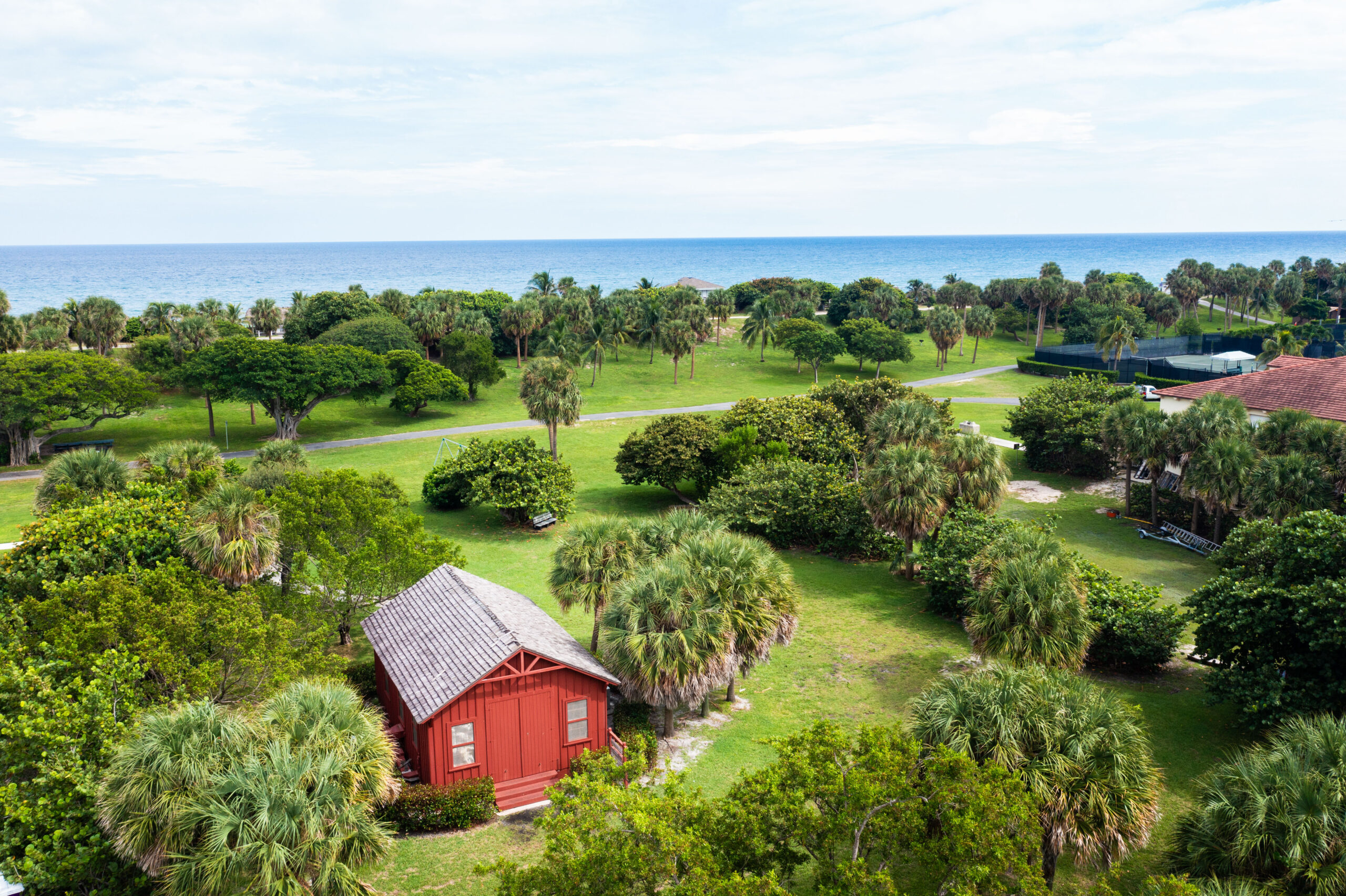
The oldest schoolhouse in southeast Florida is a frame vernacular structure built 1886. Originally located along the Lake Trail, the schoolhouse became a tool shed on the John S. Phipps property when it was abandoned by the County in 1901. The schoolhouse was relocated to Phipps Ocean Park in 1960 with the demolition of Casa Bendita and widening of North Lake Way. The Preservation Foundation entered into a 99-year lease with the Town of Palm Beach in 1990 to operate a “living history” program for 4th grade students. Today over 4,000 Palm Beach County students visit the schoolhouse each year to experience a school day as it would have been in 1886.
Palm Beach Synagogue
Built
Landmarked
Architect
Architectural Style
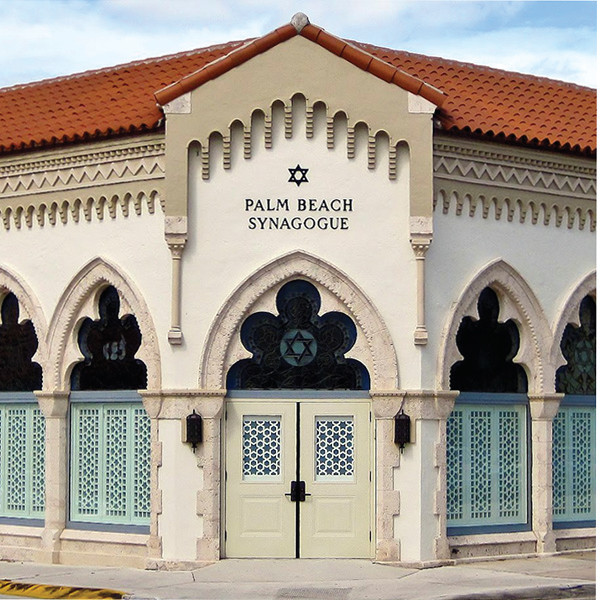
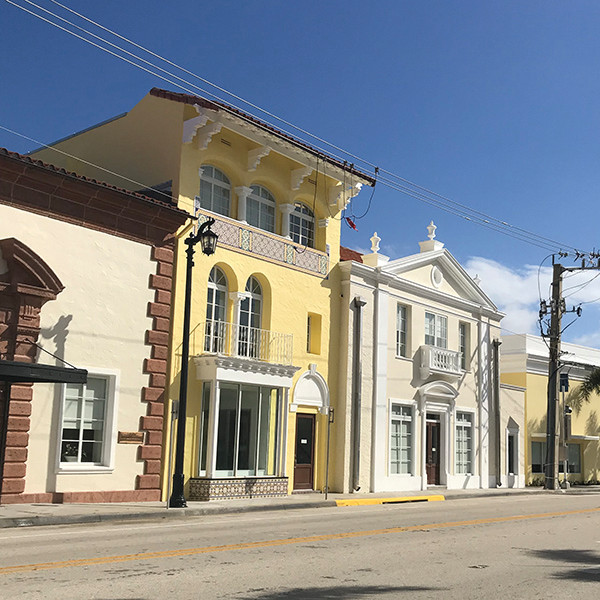
The Palm Beach Synagogue is a series of three buildings united to create a flowing interior space for the synagogue. The buildings were built in 1929 as separate commercial spaces by architect Bruce Kitchell in a Romanesque Revival style with Italian and Mediterranean influences. The goal was to unify the interior space while respecting the unique historic exterior and its relationship with the streetscape.
Pan’s Garden
Built
Architect
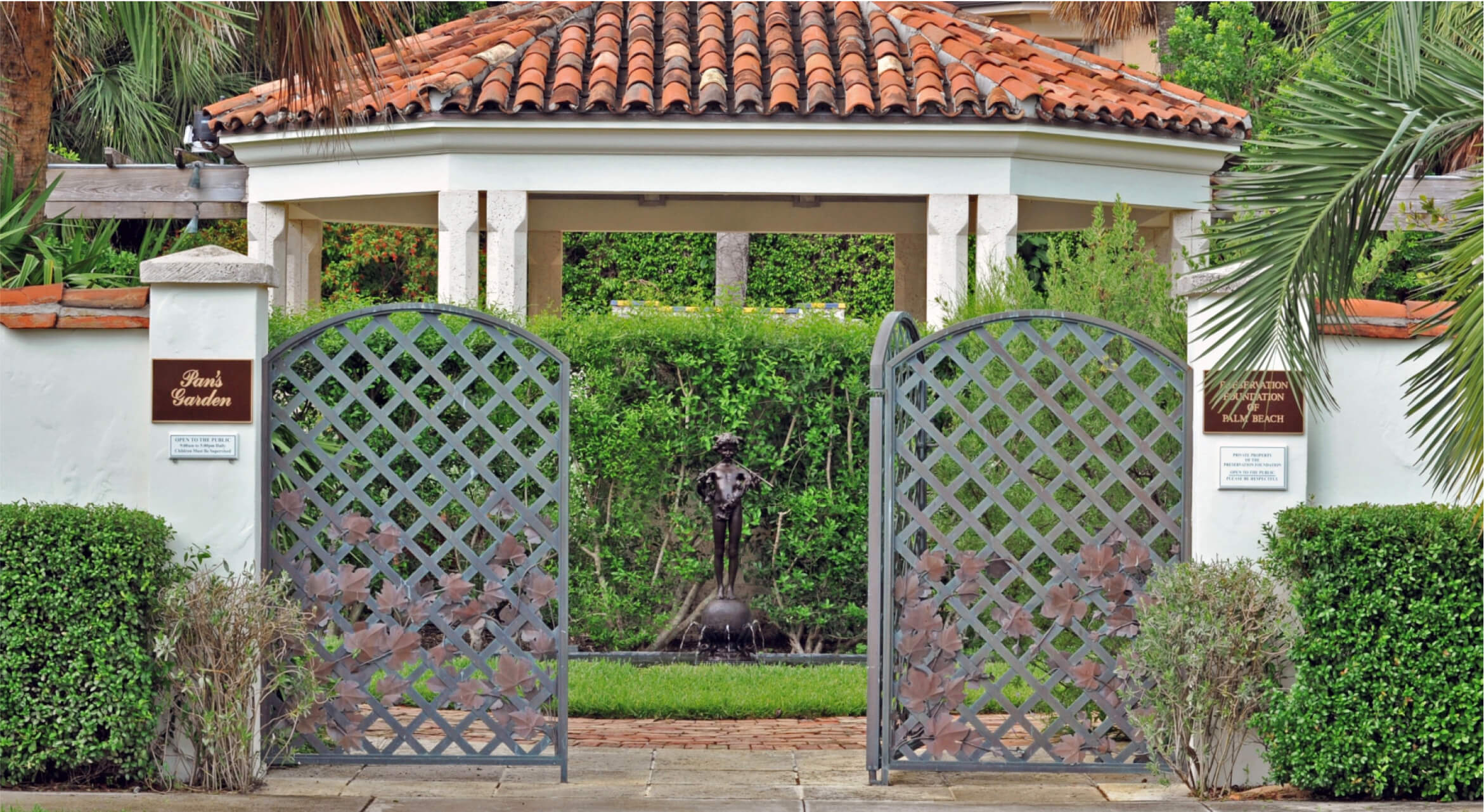
Florida’s first all-native botanical garden was established in 1994 by the Preservation Foundation of Palm Beach. The half acre garden designed by Sanchez & Maddux consists exclusively of native trees, shrubs, grasses and wild flowers, many of which are endangered. Pan’s Garden takes its name from the bronze statue of Pan of Rohallion that graces the garden’s entrance pool. Designed by Frederick MacMonnies in 1890, the statue depicts Pan – the ancient god of shepherds who protects and guards the flocks – in idealized human form playing his enchanted pipe of reeds. It is a fitting name and symbol for a garden that serves to protect and showcase Florida’s indigenous plants and the wildlife they support.
Paramount Theatre
Built
Landmarked
Architect
Architectural Style
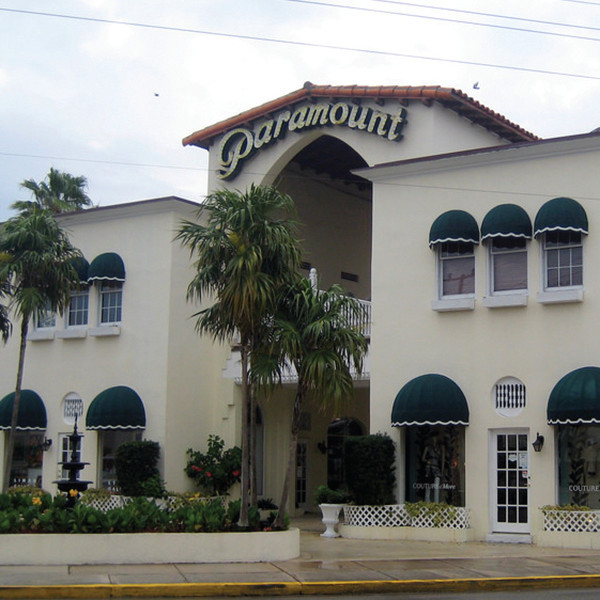
The Paramount Theatre was designed by Joseph Urban, known for his work at Mar-a-Lago and the Bath and Tennis Club in Palm Beach. He began his career as a theatre designer whose work included the Ziegfeld Theatre in New York. The theatre’s interior was once awash in greens, blues, and silver-toned silk murals and served as a popular location for movie premieres. At the height of its popularity, box seats went for $1000 a season. Slated for demolition in 1980, the building was saved through an adaptive reuse project that converted much of the theatre into office space.
Phipps Plaza Historic District
Built
Landmarked
Architect
Architectural Style
Phipps Plaza began as a development venture of the Phipps Family. In 1924, Addison Mizner was commissioned to design a series of shops and apartments on South County Road, known as The Plaza Building. The Plaza Building, where shops like Brooks Brothers and Bonwit Teller were located, became the anchor for Phipps Plaza. Uniquely built around an elliptical-shaped green space, rather than the usual linear or grid system, Phipps Plaza is an early example of urban design incorporating mixed-use of commercial and residential establishments. From its earliest days, Phipps Plaza has been the locale for architects, designers, and artisans, and is even today.
Preservation Foundation Headquarters
Built
Architect
Architectural Style
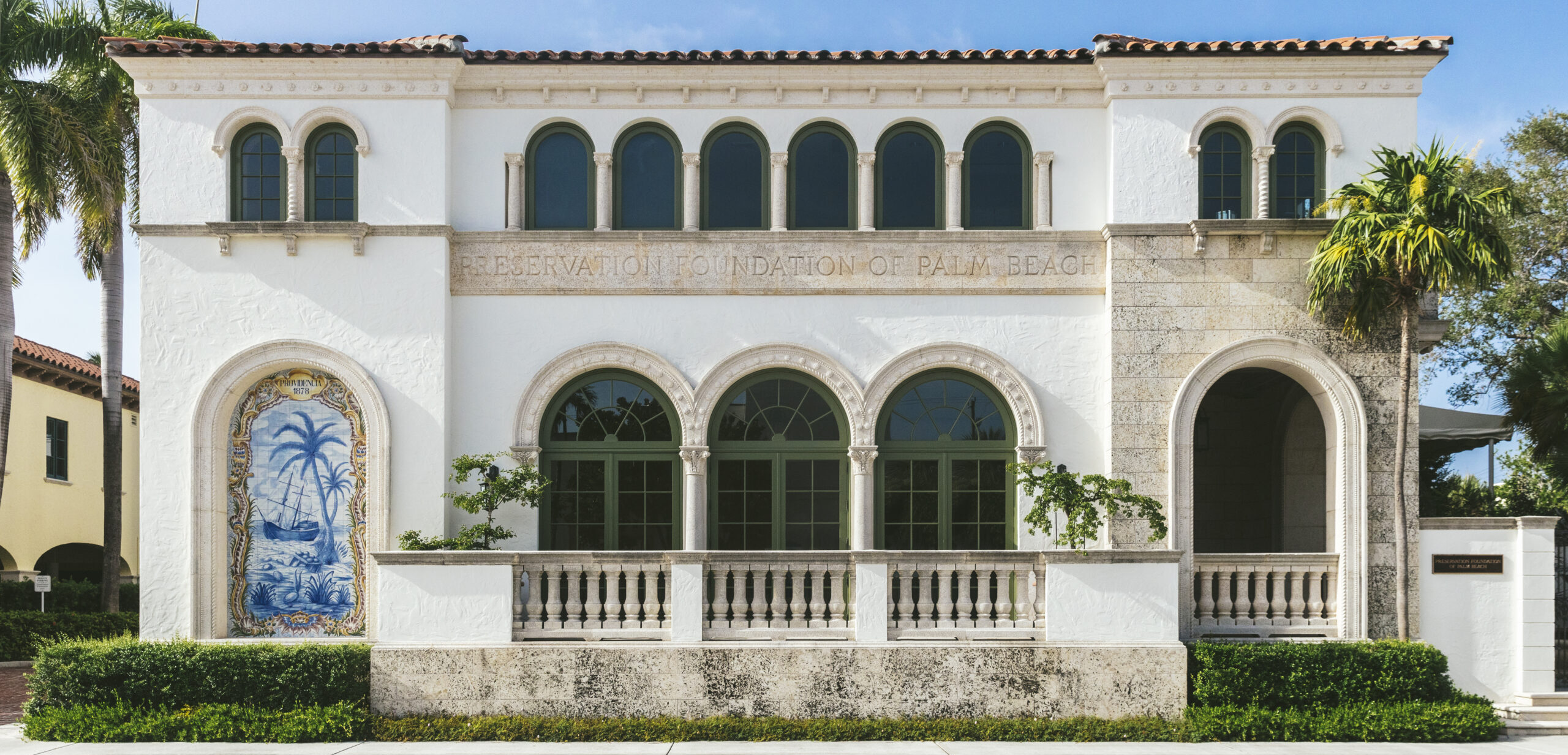
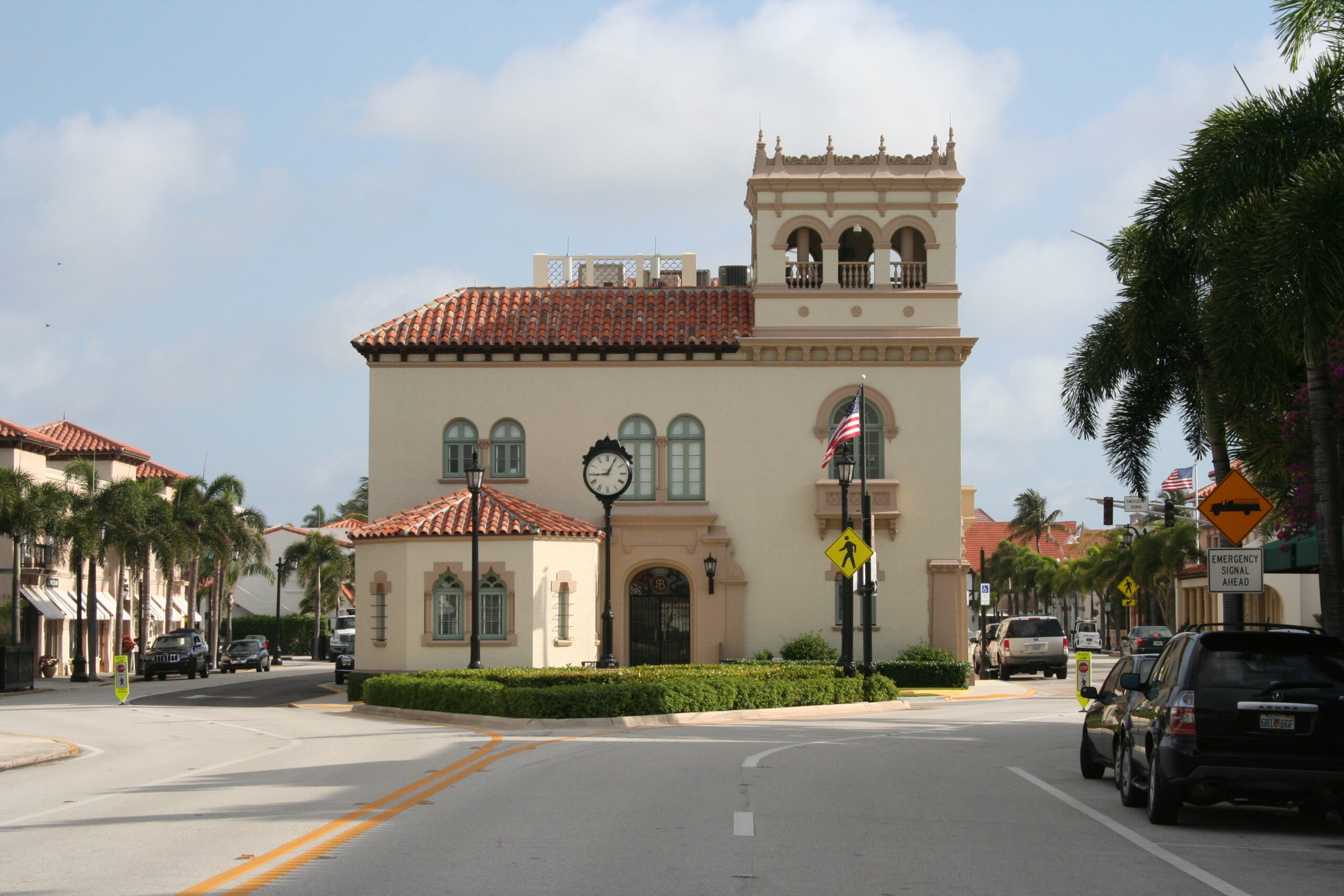
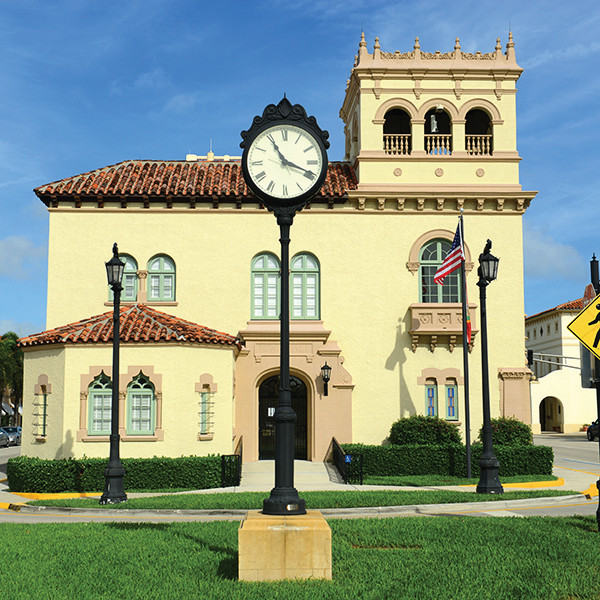
Completed in 2004, the Preservation Foundation’s Mediterranean Revival–style headquarters was designed by architect Jeffrey W. Smith of Smith Architectural Group. The building reflects the architectural heritage the Foundation is dedicated to protecting—combining classical elegance with contemporary purpose. Inside, the headquarters houses the Foundation’s architectural archives and provides space for lectures, cultural programs, and exhibitions that celebrate Palm Beach’s unique legacy.
Royal Poinciana Plaza
Built
Landmarked
Architect
Architectural Style
In 1958, John S. Phipps commissioned John Volk to create a shopping venue where the northern section of the Hotel Royal Poinciana was once located. The plaza could be designed in any architectural style, but it must endure for fifty years. Volk was inspired by the Regency style and designed an open-plan shopping plaza for commercial and retail establishments that is anchored on the west end by the Royal Poinciana Playhouse.
Sea Gull Cottage
Built
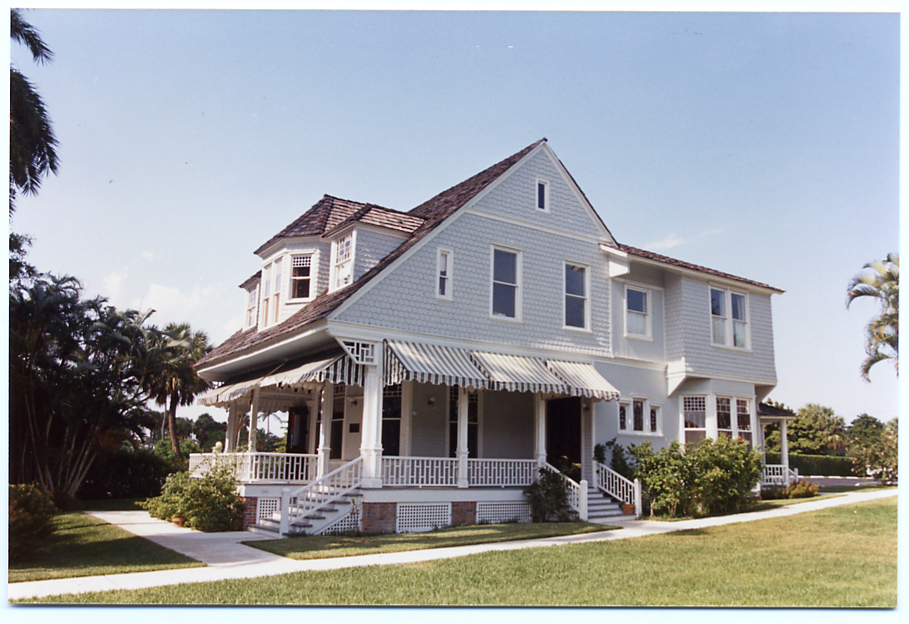
When Sea Gull Cottage—the oldest house in Palm Beach—was threatened with demolition in 1984, the Preservation Foundation negotiated and underwrote its relocation across the island to its original Lake Trail location. The cottage was meticulously restored in the Victorian style of the late 1800s using original photographs. Through a partnership with the Royal Poinciana Chapel, the cottage continues a useful life of service and connects the community to the island’s early settlement along Lake Worth.
Society of the Four Arts
Landmarked
Architect
Architectural Style
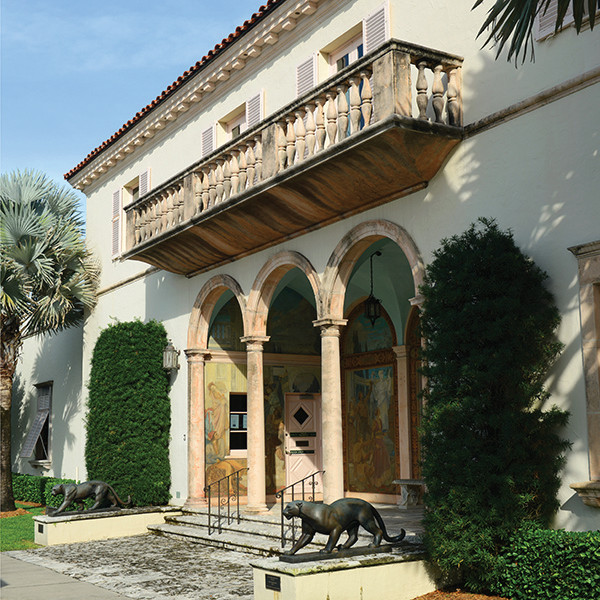
Organized in 1936, the Society of the Four Arts commissioned Maurice Fatio to design a gallery space that same year. The O’Keeffe Gallery, designed by Mizner in 1929, was purchased by the organization in 1947. Originally known as the Embassy Club, the structure was modified to accommodate galleries and an auditorium. Fatio’s building later became the King Library. The King Library’s loggia has murals illustrating the “four arts” of drama, visual arts, music and literature. The nearby demonstration gardens were designed by the Garden Club of Palm Beach in 1938. The Dixon Education building is the newest addition to the Campus and once served as a school originally constructed in the 1920s by William Manly King.
St. Edward Roman Catholic Church
Built
Landmarked
Architect
Architectural Style
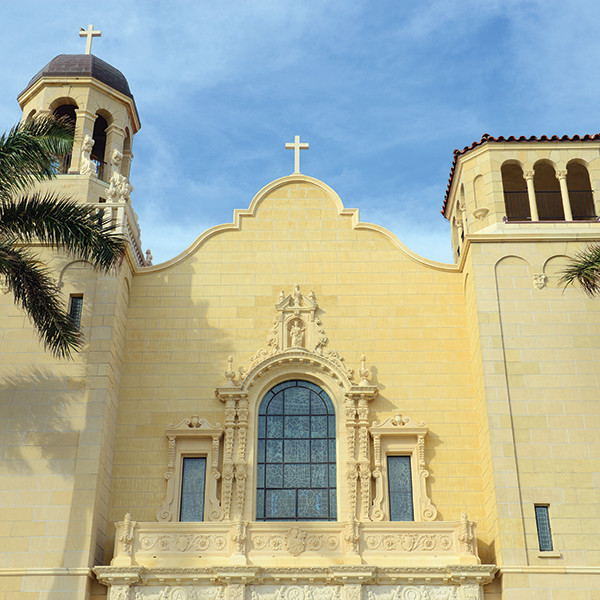
St. Edward Roman Catholic Church was built on land donated by Colonel E.R. Bradley as the first Catholic Church in Palm Beach. Many of the church’s architectural details were crafted by Mizner Industries in West Palm Beach. It is distinguished by its cast-stone Baroque entranceway and bell tower. The Parish house is connected to the church by a cloistered walkway.
The Brazilian Court
Built
Landmarked
Architect
Architectural Style
In 1924, the site for the Brazilian Court consisted of a few pre-existing bungalows. Rosario Candela was commissioned in 1925 to design the Brazilian Court. He designed a two-story complex of 116 apartments centered on a courtyard in the Mediterranean Revival style. In 1936, the architectural firm of Treanor and Fatio designed the south wing, adding a 49-room addition and penthouse suites on the third floor, extending the complex from Brazilian Avenue to Australian Avenue.
The Breakers
Architect
Architectural Style
Construction of the Royal Poinciana was quickly followed by the oceanfront Palm Beach Inn in 1896. The two hotels were connected by landscaped paths and serviced by a mule named Molly who drew the door-to-door trolley. The third incarnation of the Palm Beach Inn, an Italianate design by Schultze and Weaver, is known today as The Breakers Hotel.
The Chesterfield
Built
Landmarked
Architect
Architectural Style
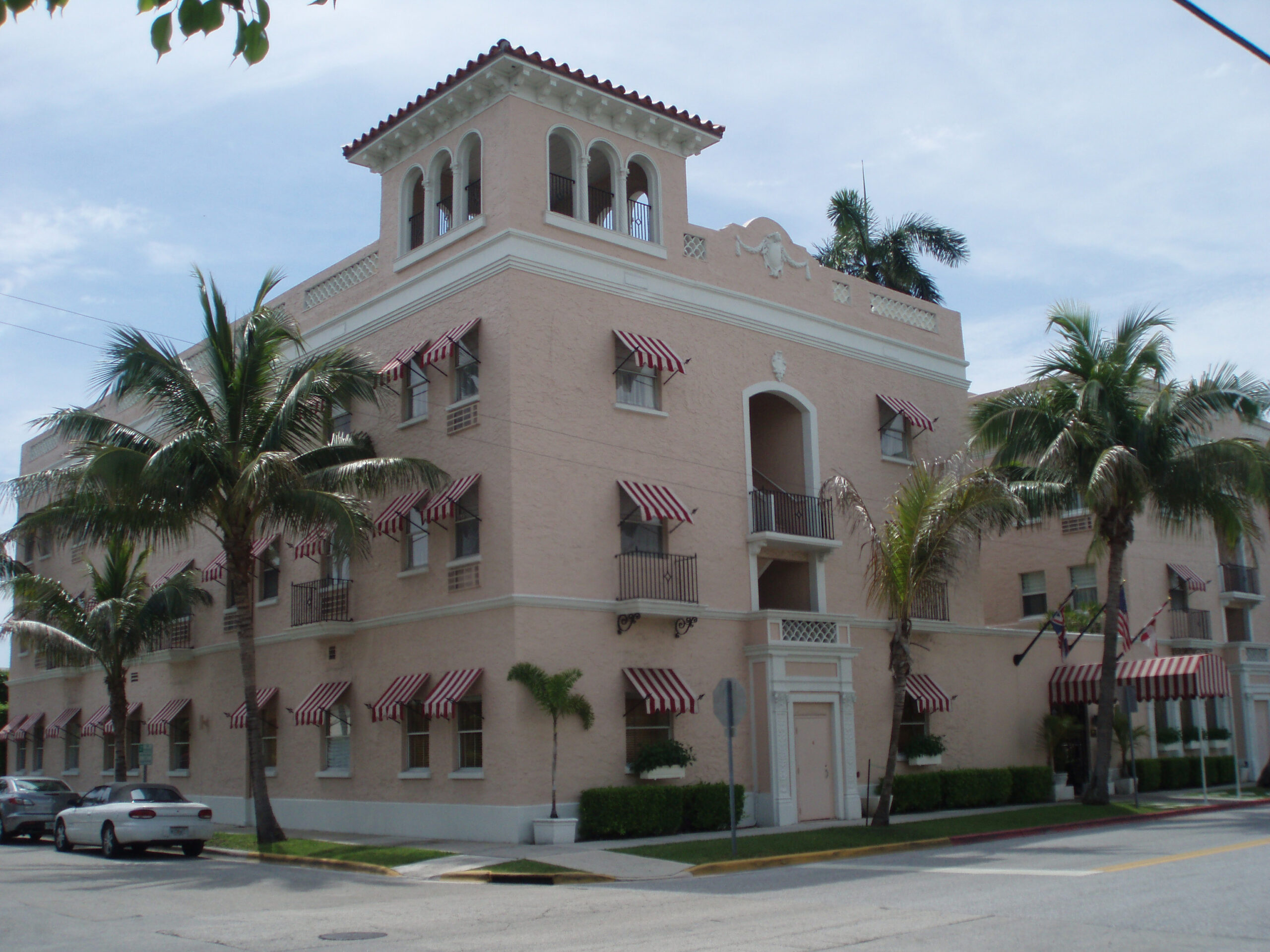
Originally named the Lido Venice, the charming Mediterranean Revival hotel was designed as a European bed and breakfast where guests could enjoy a fully inclusive Palm Beach season in an intimate setting. The architectural authenticity of the hotel was not lost during Florida’s boom and bust growth periods. The most historically significant restoration was completed by John Volk in 1937 under the ownership of inventor Atwater Kent.
The Colony Hotel
Built
Architect
Architectural Style
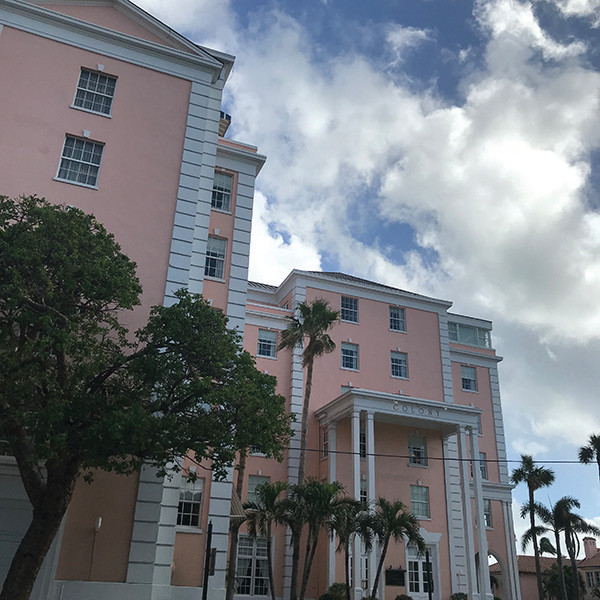
The hotel opened in 1947 and is considered to be the last grand resort built on the island. The 90-room boutique hotel has hosted numerous elite guests including the Duke and Duchess of Windsor, Frank Sinatra, John Lennon, and Presidents Ford, Clinton, H.W. Bush, and Bush. The Royal Room was one of the United States’ top cabaret supper clubs.
The First National Bank Building
Built
Landmarked
Architect
Architectural Style
Originally featuring a Moorish façade designed by Marion Sims Wyeth, the First National Bank Building, a series of six buildings, evolved over time through alterations and additions by two contemporary architects. Maurice Fatio was the second architect to work on the building in 1927. John Volk designed the Neoclassical addition on the north side of the bank in 1937 and in 1955 replaced Wyeth’s Moorish façade with another Neoclassical temple front.
Town Hall
Built
Landmarked
Architect
By the late 1980s, Town Hall was a faded example of a municipal building. Designed in 1926 by Harvey and Clarke as two buildings, it was knitted together by John Volk in 1967 with a sensitive middle addition. Town Hall was one of the first structures landmarked in 1979. The exterior restoration in 1989 brought the historical details back to life, while the interior renovations in 2009 updated the building for use as a modern municipal building. The Foundation’s campaigns raised over $1,000,000 for the exterior and interior renovations.
Town Hall Square Historic District
Landmarked
Architect
Architectural Style
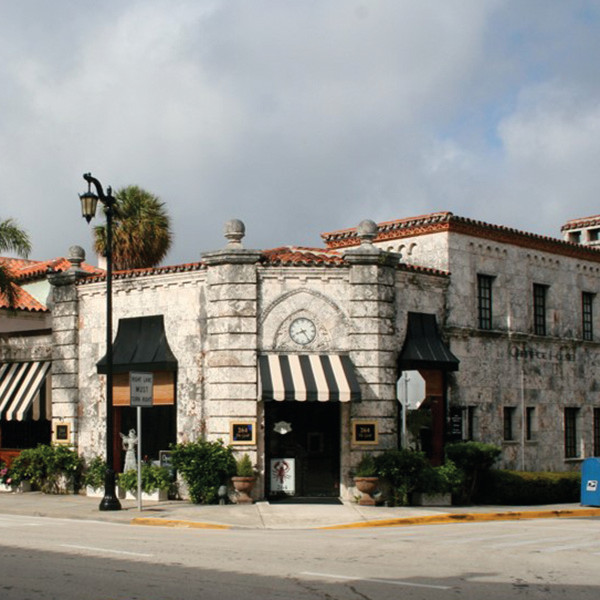
The Town Hall Square Historic District is the center of local government. Visually, the area remains much as it did in the 1940s and 1950s. One, two, and three story shops of varied architectural styles create a visually complex urban environment. Town Hall and Memorial Fountain center the district. Amongst the supporting structures framing Town Hall, are the Old Daily News Building at 204 Brazilian Avenue and the Buckley Building at 365 South County Road.
United States Post Office
Built
Landmarked
Architect
Architectural Style
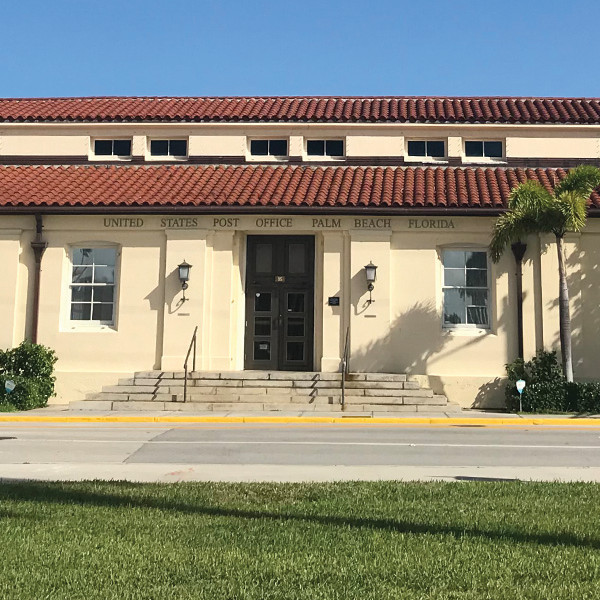
In 1929, the U.S. Government granted $80,000 to the Town for a new Post Office in exchange for the donation of land. By 1931, the Florida East Coast Railroad removed the tracks from Main Street and renamed it Royal Poinciana Way. The Company proposed the east end of the street as the new site for the Post Office. The original plans for the Post Office were completed by Mizner, however due to his untimely death, a scaled down version was completed by Louis Simon, the supervising architect for the Treasury Department. The privately-owned Post Office interiors contain murals by Charles Rosen that depict the early history of Palm Beach.
Whitehall
Built
Architect
Architectural Style
In 1902, Flagler commissioned Carrere and Hastings to design Whitehall, his own Beaux Arts home constructed on the lakefront.
Worth Avenue Vias
Built
Landmarked
Architect
Architectural Style
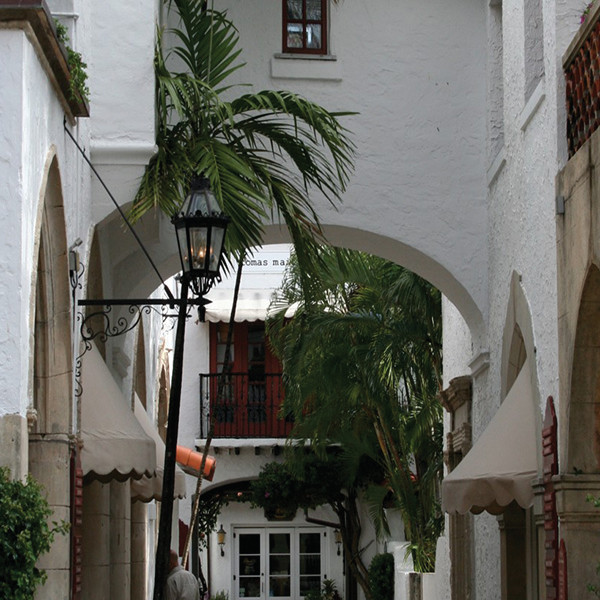
The two original Worth Avenue vias, Via Mizner and Via Parigi, were created as a shopping complex in the 1920s and built in the style of a Mediterranean village, complete with intriguing pedestrian vias, lushly planted courtyards and a colonnade of covered arches on Worth Avenue. Apartments occupy the upper floors of the complex with Mizner’s personal residence, Villa Mizner, located in the tower which dominates the north side of Worth Avenue.